

September 29, 2026
What Happens If You Don’t Winterize Your Boat?
Skipping boat winterization can leave trapped water, stored fuel, and idle engine components unprotected. Depending on the boat and storage conditions, the result can range from starting problems to freeze damage that requires major engine repairs. A boat does not have to spend the whole winter under snow for storage preparation to matter.
For Puget Sound boat owners, the useful question is what will happen to the boat while it sits: Which components hold water? How long will the fuel remain unused? What maintenance is still due? Understanding those risks helps you choose the right work before storage and avoid carrying the same problems into spring.
What Happens When You Skip Boat Winterization?
Winterization addresses several different storage risks. Freeze protection is one part of the job; fuel preparation, corrosion protection, and the boat’s maintenance needs also deserve attention.
Trapped water can crack expensive components
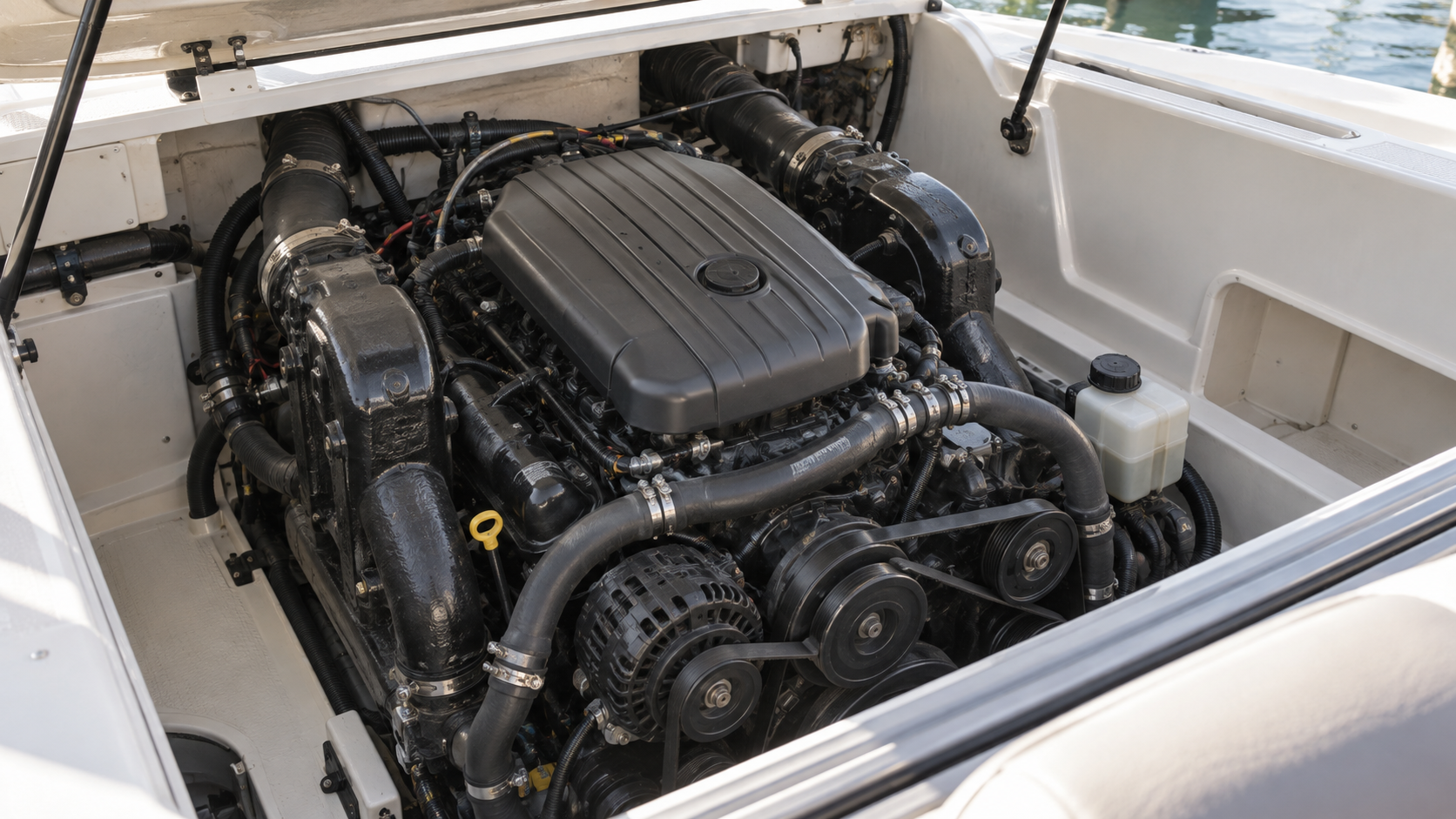
Water expands as it freezes. When it remains in an engine block, exhaust manifold, or another vulnerable cooling-system component, that expansion can damage the surrounding casting. A cracked block can turn a seasonal maintenance decision into an engine replacement project. BoatUS’s winterizing guide explains this risk and the differences between cooling-system arrangements.
An engine with a closed cooling system may still have a separate raw-water circuit that needs winter preparation. Outboards, inboards, and sterndrives also have different storage requirements. A method that works for one engine is not a reliable checklist for another.
This is why the exact engine model and manufacturer’s instructions matter more than a generic instruction to “add antifreeze.” Draining points, suitable products, and the required sequence depend on the equipment.
Fuel and internal surfaces still need storage preparation
Stored gasoline can deteriorate and leave gum or varnish in the fuel system. That makes fuel preparation relevant even when temperatures stay above freezing. The correct treatment and procedure depend on the fuel system and manufacturer’s guidance. Fuel that is already contaminated or causing running problems needs assessment rather than an assumption that a storage additive will fix it.
Internal engine protection matters during inactivity, too. Yamaha’s extended-storage guidance discusses fuel stabilization and the use of the appropriate fogging product to help protect internal parts from corrosion. Those are model-dependent service procedures, not interchangeable steps for every engine.
If the boat ended the season with hard starting, rough running, or a fuel concern, describe that symptom when booking service. Storage preparation and fault diagnosis solve different problems.
The Cost Can Extend Beyond the Repair Bill
Repair costs vary with the damaged component, engine configuration, access, parts availability, and extent of damage.
For a damaged block, the work may involve diagnosis, engine removal, replacement parts or an engine assembly, installation, and testing. Even a smaller repair can interrupt plans while the boat waits for parts or a service appointment.
Planned seasonal work gives you more control over timing. Discovering a problem just before a fishing trip or a family weekend leaves fewer options.
Winterization cannot guarantee a trouble-free season. It does give you an opportunity to address storage requirements and known maintenance needs before they compete with your boating plans.
Basic or Full Winterization: What Work Is Still Due?
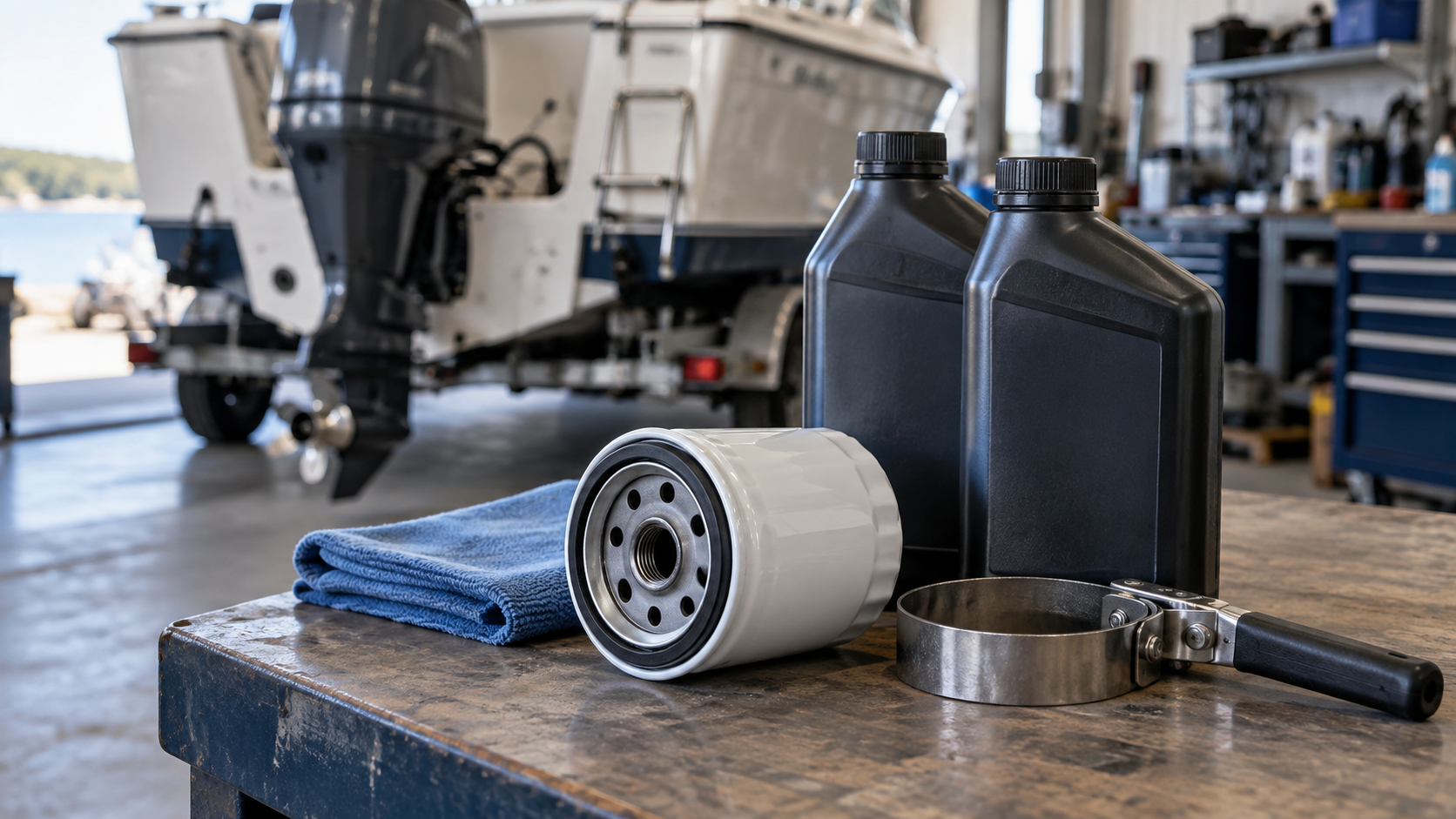
Custom Marine Services offers Basic and Full Winterization from its Stanwood shop. Basic focuses on engine and fuel-system storage preparation, with the work matched to the boat and engine. Full includes the Basic service plus an engine oil and filter change and a lower-unit gear lube drain and refill.
The best starting point is your service record. Note when those fluids were last changed and compare the work due with the manufacturer’s schedule. Low operating hours alone do not tell you everything about a boat’s service needs.
Full Winterization can make sense when those additional maintenance items are due. Handling them while the boat is already in for storage preparation leaves fewer unfinished jobs for spring. See the Basic and Full Winterization service details for the package breakdown.
Mercury’s winterization guidance explains why used engine oil and water contamination in gearcase lubricant deserve attention before storage. A fluid change is also not a substitute for investigating a suspected leak or other fault.
Other work should be discussed separately. Shrink wrapping, plumbing winterization, impeller replacement, battery charging, and spring recommissioning should not be assumed to be included in either package.
Plan for the Whole Boat’s Storage Conditions
Engine winterization is one part of preparing a boat to sit. Tell the service team whether the boat will be stored ashore, under cover, or in the water, and whether any systems must remain powered.
In-water storage deserves particular care: discuss bilge-pump and other essential electrical needs before any battery disconnection. The battery arrangement should suit the boat’s storage plan. A blanket instruction to disconnect everything is not appropriate for every situation.
A cover also does not replace engine or plumbing preparation. Ask which water-containing systems are on the boat and which require separate attention. For broader upkeep, review the available seasonal boat maintenance services.
Western Washington owners may keep boating through the cooler months or put the boat away for an extended break. Either way, plan around actual use and storage exposure. For help with the calendar, read our guide to when to winterize a boat in Western Washington.
If Winterization Was Missed, Start With an Assessment
Missing winterization does not prove that damage occurred. It does mean the boat’s condition and exposure need to be checked before you assume it is ready to run.
If the boat has been through freezing weather without confirmed protection, contact a marine technician before attempting a test start. Explain what was done, what was left unfinished, and whether you have noticed leaks or other changes. Adding antifreeze afterward cannot undo existing damage.
Bring together a few useful details:
- Boat and engine make, model, and year, plus the engine serial number if available.
- Where and how the boat has been stored, and whether it was exposed to freezing conditions.
- The last oil, filter, and gear lube service dates.
- Any starting, running, cooling, or battery problems noticed before storage.
- The work already completed and any systems that must stay powered.
These details help the service team assess what needs attention. Even after winterization, the boat still needs the appropriate recommissioning and pre-use checks before returning to the water.
Questions About Winterization Service
The following answers clarify the service options and engine-specific preparation.
Both Basic and Full Winterization prepare the engine and fuel system for seasonal storage.
Basic Winterization includes fuel stabilization, engine fogging and winterizing, draining the engine block, manifolds, risers, and water pump, non-toxic RV antifreeze when applicable, corrosion protection, and battery disconnection.
Full Winterization includes everything in the Basic service plus:
- Engine oil and filter change
- Lower-unit gear lube drain and refill
If you’re unsure which option makes sense for your boat, call Custom Marine Services and we can talk through the two services with you.
Yes, when applicable.
As part of both our Basic and Full Winterization services, the engine is drained and may be backfilled with non-toxic RV antifreeze when applicable.
The winterization process also includes draining the engine block, manifolds, risers, and water pump.
Because engine and cooling-system configurations vary, the exact winterization process depends on the boat and engine being serviced.
An engine oil and filter change is included with our Full Winterization service.
It is not included with Basic Winterization.
Full Winterization combines the core winterization process with an engine oil and filter change and lower-unit gear lube service, making it an option for boat owners who want to complete additional routine engine maintenance before seasonal storage.
Prepare for Storage and Next Season
If your boat is heading into storage, or you are unsure whether it was properly prepared, call Custom Marine Services at 360.540.2689 or submit a winterization service request. Tell us about the engine, storage setup, and maintenance history so we can discuss the appropriate next step.
Preparing now leaves fewer maintenance tasks between you and your next day on Puget Sound.
